Commercial Waste Kenton: Recycling and Sustainability for a Greener Local Area
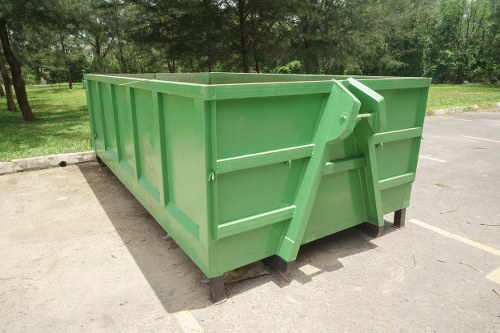 Commercial Waste Kenton is committed to creating an eco-friendly waste disposal area across the town and surrounding boroughs. In partnership with local authorities and business owners we promote a practical, measurable approach to Kenton commercial waste reduction and recycling. Our programme supports local councils' varied systems—highlighting the boroughs' approach to waste separation, including separate bins for dry recyclables, food and garden waste, and special collections for bulky or hazardous items—so that every business can contribute to a cleaner, sustainable rubbish area.
We publish clear targets and operational plans so that commercial rubbish Kenton services are accountable and visible. Our recycling percentage target is to achieve a minimum of 65% recycling and reuse of all collected commercial materials by 2030, moving steadily upwards from current baselines through improved separation, reuse partnerships, and investment in infrastructure. This target is designed to complement the ambitions of neighbouring boroughs and to reduce waste sent to landfill and incineration.
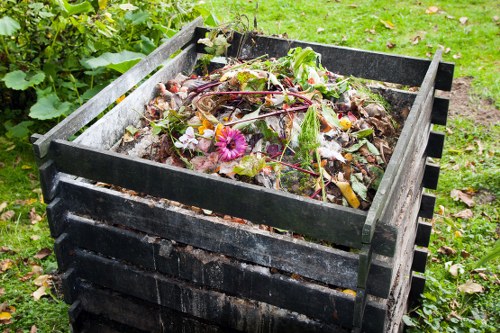 To meet these ambitions, we coordinate with local transfer stations and resource recovery centres located within short driving distance of Kenton. These transfer stations act as hubs where sorted recyclables and separated streams—paper and card, glass, metals, plastics and organics—are compacted and prepared for recycling processors. Using proximate facilities reduces haulage distances and supports the development of a genuinely low-carbon commercial waste network for Kenton and nearby boroughs.
Our services for commercial waste in Kenton include tailored collections for offices, retail, hospitality and light industrial sites. We encourage practical on-site segregation to boost recycling rates: clear sacks or labelled bins for mixed dry recycling, dedicated food waste containers for cafes and restaurants, and separate containers for textiles and WEEE (electricals). Typical recycling activity in the area includes enhanced glass recycling drives in high-footfall retail streets, textile diversion programmes with charities, and office paper capture for secure shredding and recycling.
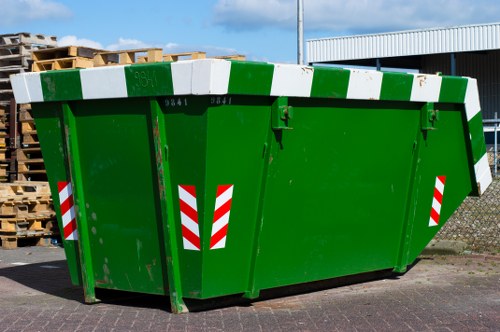 The organisation actively develops partnerships with local charities and social enterprises to create circular pathways for materials. Items that remain reusable—furniture, office equipment, textiles and working appliances—are refurbished or redistributed through charity partners, reducing waste and supporting community causes. By formally tracking reuse and donation volumes we include those figures within our sustainable rubbish area metrics, increasing our overall recycling and reuse percentage beyond simple material recovery.
We also work with property managers and local business improvement districts to run joint campaigns that reflect the boroughs' approach to waste separation. These campaigns provide clear signage, staff training, and regular audits to ensure commercial waste separation is effective. Simple behavioural changes in shops, cafés and small offices—such as separating food waste and avoiding contamination of dry recyclables—are multiplied across the town, helping Kenton commercial waste performance to exceed baseline targets.
To reduce transport emissions we have invested in a fleet of low-carbon vans and vehicles for commercial rubbish Kenton collections. Our low-carbon vans include electric and hybrid models, and we are trialling hydrogen options for heavier loads. These vehicles operate on optimised collection routes to minimise mileage and emissions, and are maintained to ensure peak efficiency. The result is a measurable reduction in the carbon intensity of local waste collection activities.
 Alongside vehicle upgrades, we prioritise materials-by-design approaches that reduce overall waste: advising suppliers on packaging reduction, encouraging reusable delivery systems for local businesses, and supporting deposit-return models where feasible. This systems thinking reduces the volume of single-use materials entering the commercial waste stream and strengthens the sustainable rubbish area concept across Kenton.
 Our strategy includes clear reporting, annual reviews and community engagement so that progress toward our recycling percentage target is transparent. We use measurable KPIs—tons diverted from landfill, percentage recycled, number of items refurbished via charity partners, and fleet emissions reduction—to ensure continuous improvement. By aligning with borough-level separation schemes and fostering strong partnerships with local transfer stations, charities and businesses, Commercial Waste Kenton is building a resilient, low-carbon and community-minded approach to commercial waste management.
Key Actions and Recycling Activities
- Segregated collections: dedicated streams for food, glass, paper, cardboard, metals and plastics.
- Reuse partnerships: collaborations with charities for furniture, textiles and WEEE.
- Local transfer station use: reduced transport distances and higher-quality recycling bulks.
- Low-carbon fleet: electric, hybrid and low-emission vehicles for local collections.
- Business support: advice on packaging reduction and deposit-return models.
Commitment to a Greener Kenton
The long-term vision is clear: a thriving eco-friendly waste disposal area and a recognised sustainable rubbish area that sets a standard for neighbouring communities. Through cooperation with boroughs, transfer stations and charity partners, and by deploying low-carbon vans, Commercial Waste Kenton aims to transform commercial waste handling from a cost centre into a measurable community and environmental benefit. We invite businesses to join the movement towards higher recycling rates, lower emissions and a stronger local circular economy.
